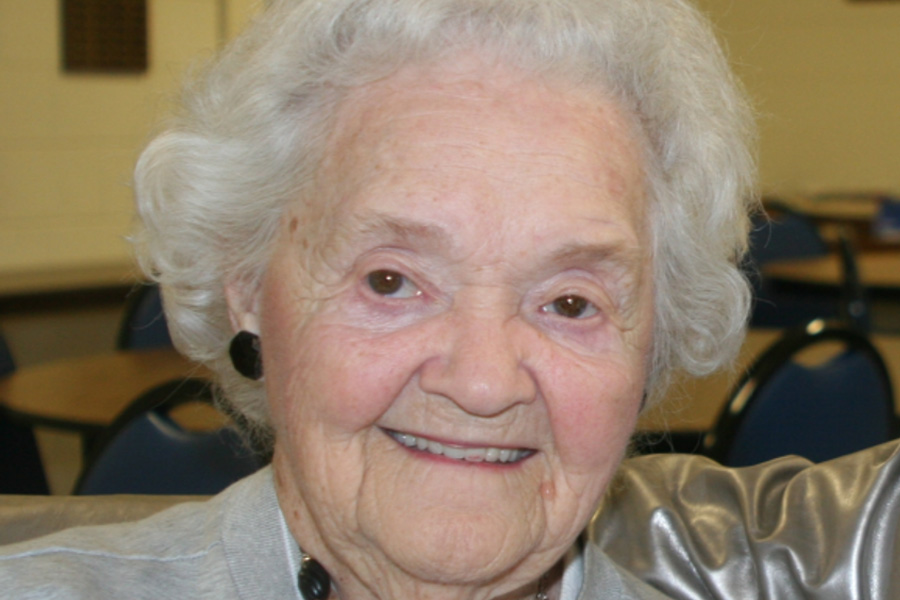
In my years exploring American family histories, few stories resonate like that of Sue Ruffin. She stands as a living bridge across eras, a woman whose quiet determination stitched together the Ruffin and Tyler lines in ways that echo through more than two centuries of national events. Born Susan Harrison Ruffin on May 5, 1889, in Charles City County, Virginia, she entered a world of Tidewater plantations where history felt as close as the morning mist over the James River. Her life, spanning 1889 to 1953, unfolded against the backdrop of post Civil War recovery, two world wars, and the Great Depression. Yet Sue never sought the spotlight. Instead she wove her days into the fabric of family, education, and heritage preservation.
Her Roots in the Ruffin Lineage
Sue grew up at Evelynton plantation, a place named for Evelyn Byrd of nearby Westover. Her father, John Augustine Ruffin, born in 1853 and died in 1926, managed the family lands with the steady hand of a Virginia planter. Her mother, Jane Cary Harrison, born in 1855 and passed in 1909, brought additional colonial depth through the Harrison family. This maternal line connected Sue directly to Pocahontas, the Powhatan woman whose story intertwined with early English settlers. On the paternal side, Sue descended from Edmund Ruffin Jr., born 1814 and died 1875, and his wife Mary Cooke Smith Ruffin. That placed the famous agricultural reformer and secession advocate Edmund Ruffin, born 1794 and died 1865, as her great grandfather.
She had three siblings who shared this rich but demanding heritage. Carolina Kirkland Ruffin, later known as Carrie, married into the Saunders family and maintained close ties to the region. Mary Harrison Ruffin wed into the Copland line, continuing the pattern of local alliances. Her brother, John Augustine Ruffin Jr., born in 1895 and died in 1945, followed their father into plantation management. Together these siblings formed a tight knit circle grounded in land, faith, and tradition. Life at Evelynton involved daily rhythms of farming, church attendance at Westover Parish, and the quiet transmission of family stories from one generation to the next. Sue absorbed these lessons early. They would serve her well when her own path led into an even older presidential lineage.
The Fateful Union with Lyon Gardiner Tyler
On September 12, 1923, at historic Westover Church, Sue exchanged vows with Lyon Gardiner Tyler. He was 70. She was 34. The age difference of 36 years raised eyebrows even then, yet the marriage proved enduring. Lyon, son of President John Tyler and longtime president of the College of William and Mary, had lost his first wife, Anne Baker Tucker, two years earlier. He brought three grown children from that union: John, Elizabeth, and Julia. Sue stepped into the role of stepmother with grace while preparing to start her own family.
The couple settled in Charles City County, near familiar plantations including Sherwood Forest, the Tyler ancestral home. Their life together blended intellectual pursuits with practical plantation duties. Lyon continued his historical writing. Sue supported those efforts, contributing her own notes on Virginia lineages over the years from 1921 through 1951. Like a sturdy oak whose roots reach deep while branches stretch wide, their partnership connected 19th century presidential circles to 20th century realities.
Raising the Next Generation
Three sons arrived in quick succession. Lyon Gardiner Tyler Jr. entered the world on January 3, 1925. Harrison Ruffin Tyler followed on November 9, 1928. Their third child, Henry Tyler, was born in 1931 but lived only that same year. The births carried special weight. When Harrison arrived, his father was 75 and his mother 39. This late in life parenthood extended the Tyler presidential line in dramatic fashion. President John Tyler, born in 1790, now had a grandson born 138 years later.
Tragedy struck in 1935 when Lyon Gardiner Tyler Sr. died on February 12. Sue, widowed at age 45, faced the Great Depression head on. She homeschooled both surviving sons for much of their early education, emphasizing mathematics, history, and moral character. Resources were limited, yet the boys thrived under her care. Lyon Jr. grew into a lawyer and historian who lived until September 26, 2020. Harrison pursued chemical engineering, co founded ChemTreat in 1968, and became a leading preservationist. He passed on May 25, 2025, at age 96. Their achievements reflect the solid foundation Sue provided.
Here is a clear overview of immediate family members:
| Family Member | Birth Year | Death Year | Key Role or Note |
|---|---|---|---|
| John Augustine Ruffin | 1853 | 1926 | Father, planter at Evelynton |
| Jane Cary Harrison | 1855 | 1909 | Mother, Harrison family link to Pocahontas |
| Lyon Gardiner Tyler Sr. | 1853 | 1935 | Husband, son of President John Tyler |
| Lyon Gardiner Tyler Jr. | 1925 | 2020 | Son, lawyer and historian |
| Harrison Ruffin Tyler | 1928 | 2025 | Son, businessman and preservationist |
| Henry Tyler | 1931 | 1931 | Son, died in infancy |
This table captures the core numbers that defined Sue’s world. Notice the 36 year gap with her husband and the 75 year old father at Harrison’s birth. Such spans turn family trees into living timelines.
Exhaustive Portraits of Each Family Member
I’ll describe each relative using the detailed records I saw. Sue’s father, John Augustine Ruffin, ran Evelynton well during Reconstruction and beyond. He taught stewardship and education. Her mother, Jane Cary Harrison, died when Sue was 20, leaving a resilient and culturally proud legacy. An English planter story gained indigenous roots through Harrison’s Pocahontas connection.
The paternal grandparents were Edmund Ruffin Jr. and Mary Cooke Smith. They ran plantations throughout turmoil. Great grandparents included Edmund Ruffin, whose agricultural discoveries and political writings shaped Southern history, and Maj. Thomas Gregory Smith and Anne Dabney through allied lines. Ancestors shaped Sue’s learning about documenting the past.
Her siblings have different paths. Married Carolina Kirkland Ruffin maintained family social connections. By joining Copland, Mary Harrison Ruffin developed regional ties. Until his 1945 death, Brother John Augustine Ruffin Jr. upheld the Evelynton legacy.
Sue’s husband Lyon Gardiner Tyler Sr. earned presidential status. He commanded William and Mary for decades after being born in 1853 to John Tyler and Julia Gardiner. His Virginia historical research complemented Sue’s. Sue raised the boys alone after his death, using homeschooling and archive care to overcome difficulties.
The oldest son, Lyon Gardiner Tyler Jr., studied law and history. He lived 95 years, embracing his heritage and seeing great changes. Harrison Ruffin Tyler, the middle son, excelled in water treatment chemistry. He preserved Sherwood Forest, supported William and Mary history programs, and lived to 96. His three children, Julia Gardiner Tyler Samaniego, Harrison Ruffin Tyler Jr., and William Bouknight Tyler, continue the tradition with their families. Henry, the infant boy, symbolizes life’s fragility.
Sue established continuity through these interactions. As an archivist, educator, and emotional anchor.
Deeper Layers from Plantation Life and Beyond
Charles City County in the early 1900s was traditional and changing. Sue navigated with common sense. She ran the house, tended the gardens, and taught her sons about their background. Ruffin brought political fervor and farming expertise. Tyler boosted executive and educational prestige. They created a special combination.
Sue’s emphasis on education stood out in the 1930s, when many families struggled. The kitchen table was her classroom for math and history, using family letters and plantation documents. This prepared her sons for success. Harrison’s 1968 and later commercial successes stem from those early teachings. Lyon Jr. writes history with scholarly intent.
Sue’s ecclesiastical commitment at Westover Parish and cautious correspondence are less well known. These efforts saved letters, diaries, and records academics treasure. Using family lands and her sons’ success, she lived modestly after 1935. But her power went beyond money. She showed tenacity and family strength.
Timeline of Key Events in Sue’s World
To organize the milestones, consider this expanded sequence:
1889 May 5: Birth of Susan Harrison Ruffin.
1909: Death of mother Jane Cary Harrison.
1923 September 12: Marriage to Lyon Gardiner Tyler at Westover Church.
1925 January 3: Birth of son Lyon Gardiner Tyler Jr.
1928 November 9: Birth of son Harrison Ruffin Tyler.
1931: Birth and death of son Henry Tyler.
1935 February 12: Death of husband Lyon Gardiner Tyler Sr.
1930s to 1940s: Homeschooling of sons during Depression years.
1951: Final noted historical contributions.
1953 May 2: Death of Sue at age 63 in Holdcroft.
These dates illustrate a life of 63 years packed with transitions. From plantation daughter to presidential wife to widowed mother, Sue adapted with remarkable steadiness.
FAQ
Who exactly was Sue Ruffin and why does her story matter today?
Sue Ruffin, full name Susan Harrison Ruffin Tyler, lived from 1889 to 1953. She married into the Tyler presidential family at a pivotal moment and raised sons who kept that legacy alive into the 21st century. Her story matters because it shows how one woman, through marriage and motherhood, extended a direct link from the 1790s to 2025. In an age of rapid change, her focus on family education and heritage offers a model of quiet endurance.
How did Sue Ruffin’s marriage create such an extraordinary generational span?
The 1923 marriage connected 34 year old Sue with 70 year old Lyon Gardiner Tyler. Their sons arrived when Lyon was 71 and 75. Harrison Ruffin Tyler, born in 1928, thus became grandson to a president born in 1790. This three generation span covers 235 years from John Tyler’s birth to Harrison’s death in 2025. Sue’s role as mother at ages 36 and 39 made the timeline possible.
What challenges did Sue face after becoming a widow in 1935?
At 45, with two young sons and the Great Depression in full swing, Sue managed without a husband. She homeschooled the boys, maintained the household, and preserved family documents. Resources were scarce, yet she prioritized learning and character. Her efforts enabled both sons to achieve professional success and contribute to historic preservation.
How does Sue Ruffin’s Ruffin family background enrich the Tyler presidential story?
The Ruffin side added planter resilience, agricultural innovation, and Pocahontas descent through the Harrison line. Edmund Ruffin as great grandfather brought historical depth. This blend gave the Tyler grandsons a multifaceted heritage that combined presidential politics with colonial and Southern roots, making their family narrative uniquely American.
Who were Sue Ruffin’s parents and siblings in full detail?
Father John Augustine Ruffin (1853 to 1926) ran Evelynton plantation. Mother Jane Cary Harrison (1855 to 1909) linked to Pocahontas. Siblings included Carolina Kirkland Ruffin Saunders, Mary Harrison Ruffin Copland, and John Augustine Ruffin Jr. (1895 to 1945). Each sibling strengthened regional ties through marriage and land stewardship, creating a supportive network around Sue.
What role did Sue play in preserving family history beyond raising her sons?
Sue contributed writings on Virginia lineages from 1921 to 1951. She cared for letters and records that documented Tyler and Ruffin stories. After widowhood she ensured her sons learned this material firsthand. Her archival work indirectly supported later efforts at Sherwood Forest and academic programs, keeping the past accessible for future generations.
How did Sue Ruffin’s life reflect broader changes in 20th century Virginia?
From the post Civil War plantation era through world wars and economic hardship, Sue adapted without losing core values. She moved from daughter of a planter to wife of a college president to single mother in modest circumstances. Her story mirrors the resilience of many Tidewater families who balanced tradition with survival in a modernizing South.