I have long been drawn to the quiet figures who shape cinematic history without seeking the spotlight. Martje Grohmann embodies that spirit perfectly. Born in 1943 in Albersdorf, Schleswig-Holstein, Germany, she stepped into the film world not as a headline star but as a steady collaborator and partner during the formative years of one of cinema’s most visionary directors. Her journey from the small town of her birth to the chaotic sets of groundbreaking movies offers a vivid portrait of dedication, creativity, and personal resilience. Over 18 years of marriage starting in 1967, she helped build a family while contributing to films that still resonate today. I find her story especially compelling because it reveals how personal relationships can fuel artistic breakthroughs yet also demand quiet sacrifices.
Family and Personal Bonds That Shaped Her World
Martje Grohmann’s personal life centered on a single, defining marriage and the child it produced. She married Werner Herzog in 1967. Their union lasted until the divorce in 1985. During those years, the couple navigated the highs and lows of independent filmmaking in postwar Germany. Herzog, known for his relentless pursuit of ecstatic truth in cinema, brought both brilliance and intensity to their home. I imagine the household in those early days pulsed with the energy of scripts being rewritten at midnight and stories of remote shoots that tested every limit.
Their only child, Rudolph Amos Achmed Herzog, arrived in 1973. Rudolph grew up immersed in the creative environment his parents created. He later became a filmmaker and author in his own right, directing documentaries such as How to Fake a War in 2019 and writing the 2011 book Dead Funny: Humour in Hitler’s Germany. In public reflections, Rudolph has touched on family heritage, noting that except for his maternal grandfather, all grandparents held strong ties to the Nazi era. That single grandfather on Martje’s side stood apart as someone who rejected those ideologies. This detail adds depth to the family narrative, showing how historical shadows lingered even in postwar households.
Werner Herzog himself carried a complex background into the marriage. Born in 1942, he adopted his surname and forged a path that often placed art above conventional family routines. Martje supported this vision while raising their son. After the 1985 divorce, Herzog went on to have two more children with different partners, but Martje’s documented family circle remained focused on Rudolph. No records indicate additional spouses or children for her. She chose a private path afterward, one that allowed her to practice homeopathy without public fanfare.
To organize these connections clearly, here is a summary table of the immediate family members.
| Family Member | Relation to Martje Grohmann | Birth Year | Key Notes |
|---|---|---|---|
| Werner Herzog | Ex-husband | 1942 | Married 1967 to 1985; influential filmmaker with three total marriages and three children |
| Rudolph Amos Achmed Herzog | Son | 1973 | Filmmaker and author; directed features and wrote on Nazi-era humor |
| Maternal Grandfather | Grandfather | Unknown | Only family elder noted as non-Nazi in son’s accounts |
These relationships formed the foundation of Martje Grohmann’s adult life. The marriage provided the context for her film contributions, while motherhood grounded her amid the whirlwind of production deadlines and festival travels. I see their story as a metaphor for the balance many creative families seek: one partner chasing horizons while the other anchors the daily reality.
Career Path, Achievements, and the Shift to Healing Work
Martje Grohmann’s career spans the late 1960s and 1970s, when New German Cinema defied traditions with cheap budgets and strong ambitions. Herzog’s 1968 film Signs of Life was her first as assistant director. In a time when crew members wore many hats, that early function required hands-on coordination. She became production assistant on Aguirre, the Wrath of God in 1972, four years later. Flooding rivers and inaccessible areas tested everyone’s endurance throughout the months-long Peruvian jungle filming. Her logistics assistance brought that legendary obsession story to movie.
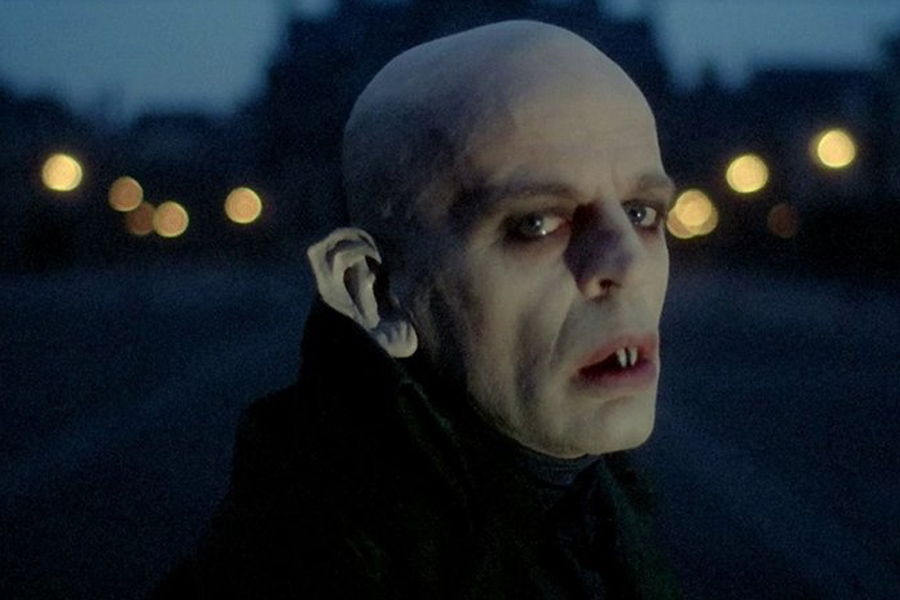
She became increasingly visible in 1979. She played Mina in Nosferatu the Vampyre and helped translate the English language. Sisters, or the Balance of Happiness, a Herzog drama, listed her as a writer that year. Some databases record minor or uncredited 1976 Heart of Glass acting. These combined successes raised Herzog’s international profile and showed her skill in directing, production, acting, and screenplay.
Martje Grohmann switched to homeopathy after her 1985 divorce. Early 2000s references call her a Heilpraktikerin, a qualified alternative medicine practitioner in Germany. She switched careers to focus on healing and wellness, possibly drawing on her resilience from years of supporting big cinematic projects. Specific clinics, publications, and client numbers are not publicly disclosed, nor is financial information like earnings or assets. Like many 1970s European film crew members, her pay likely reflected independent projects’ low budgets.
Her accomplishments are tied to major titles. At release, Aguirre grossed slightly but became cult, while Nosferatu the Vampyre was more popular and remains a horror retrospective staple. Her cinematic credits include at least five roles in four significant projects between 1968 and 1979. That decade shows how a woman used creativity and practical skills to succeed in a male-dominated sector.
Recent Appearances and Social Media Echoes
Martje Grohmann keeps a low public profile, yet her voice reemerges through archival material. In 2022 and 2023, she appeared in interviews for the documentary Werner Herzog: Radical Dreamer, sharing perspectives alongside Herzog’s brothers and current wife. More noticeably, clips from her 1982 South Bank Show interview began circulating widely on platforms like Instagram, TikTok, and Substack starting in April 2025. In those moments, she speaks candidly about the challenges of waiting during her husband’s extended absences for shoots. The phrase “I waited and waited but I am detached now” struck a chord, sparking thousands of comments that frame her as both patient partner and independent thinker. Film anniversary posts on X also mention her casting in Nosferatu, keeping her name alive in niche cinema discussions. No active social media accounts belong to her, and no personal news has surfaced since the mid-1980s beyond these retrospective features.
Extended Timeline of Key Moments
1943 marks her birth in Albersdorf.
1967 brings the marriage to Werner Herzog in the Munich area.
1968 sees her assistant director credit on Signs of Life, Herzog’s debut feature.
1972 involves production assistance on the grueling Aguirre shoot in Peru.
1973 welcomes the birth of son Rudolph.
1976 includes acting work in Heart of Glass.
1979 features her standout performance as Mina and English dialogue contributions to Nosferatu the Vampyre, plus the co-writing credit on Sisters, or the Balance of Happiness.
1982 captures her reflections in the South Bank Show interview while the marriage still continued.
1985 finalizes the divorce.
Post-1985, she establishes her homeopathy practice.
2002 through 2006 brings mentions in major profiles of Herzog that identify her as his first wife and a homeopath.
2011 includes Rudolph’s book referencing maternal family history.
2022 to 2023 involves her participation in the Radical Dreamer documentary.
2024 and 2025 witness the viral spread of the 1982 interview clips across social media.
This timeline illustrates a life that moved from small-town roots through intense creative collaboration to a quieter professional chapter. Each date anchors a chapter of growth, challenge, and transition.
FAQ
Who exactly is Martje Grohmann?
Martje Grohmann is a German actress, writer, assistant director, and homeopath born in 1943. She gained recognition through her multifaceted contributions to Werner Herzog’s early films in the 1960s and 1970s before focusing on alternative medicine.
How long was she married to Werner Herzog and what was their family like?
She married Werner Herzog in 1967 and they divorced in 1985, sharing 18 years and one son, Rudolph, born in 1973. Their family life blended domestic routines with the demands of independent filmmaking.
What are her most notable film roles and contributions?
Her credits include assistant director on Signs of Life in 1968, production assistant on Aguirre in 1972, actress playing Mina and English dialogue writer on Nosferatu the Vampyre in 1979, and writer on Sisters, or the Balance of Happiness in 1979.
Does she have any other children or known extended family?
Public records show only one child, Rudolph Herzog. No other spouses or children appear, and the only extended detail mentioned is her maternal grandfather’s stance against Nazi involvement.
Why does she appear in recent social media despite her private life?
Clips from her 1982 South Bank Show interview resurfaced in 2025 on Instagram and TikTok, where her honest reflections on marital detachment during Herzog’s absences resonated with new audiences interested in cinema history and personal stories.