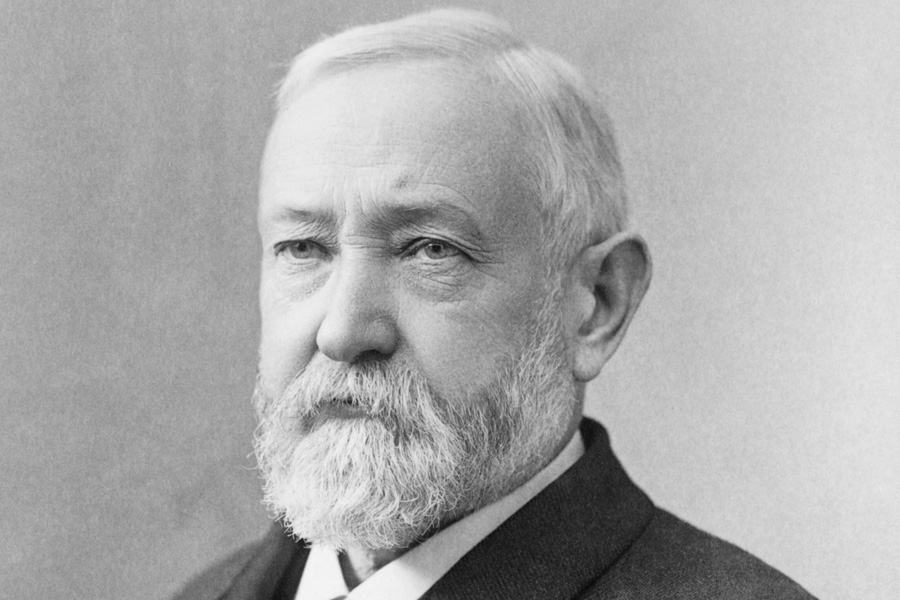
As I first stepped into the pages of colonial history the name Benjamin Harrison IV caught my attention like a flash in the night sky. Born around 1693 at Berkeley Plantation along the James River in Charles City County Virginia this man embodied the spirit of Virginia emerging elite. He did not simply inherit land. He expanded it shaped it and turned it into a lasting symbol of ambition. By the time he reached his early fifties he had built one of the oldest dated three story brick mansions in Virginia fathered eleven children and forged alliances that still echo through American politics today.
I picture him walking the grounds in the 1720s checking tobacco rows and shipyard progress. His father Benjamin Harrison III had purchased Berkeley Hundred in 1691. The younger Harrison took that foundation and built higher literally. In 1726 he completed the Georgian style mansion using bricks fired right there on the plantation soil. The structure rose three stories tall overlooking the James River. A round date stone above a side door still carries the intertwined initials BH and AC above a heart. That stone marks more than a building date. It marks a union that linked two of the most powerful families in the colony.
His marriage to Anne Carter around 1722 brought more than love. Anne daughter of the enormously wealthy Robert King Carter added dowry lands that Harrison managed and later entailed to one of their sons. Together they created a household that blended Harrison drive with Carter resources. The couple welcomed eleven children between roughly 1723 and 1742. Each child carried the family name into new branches of influence.
I have compiled their details in the table below to show the breadth of those connections.
| Child | Approximate Birth Year | Spouse | Key Notes and Descendants |
|---|---|---|---|
| Elizabeth | 1723 | Peyton Randolph | Married the first President of the Continental Congress; strengthened Randolph ties |
| Anne | 1724 | William Randolph III | Eight surviving children; descendants include naval officers |
| Benjamin V | 1726 | Elizabeth Bassett | Signer of the Declaration of Independence; father of President William Henry Harrison; governor of Virginia |
| Lucy | 1728 | Edward Randolph Jr. | Continued Randolph family alliances |
| Hannah | 1730 | None | Died July 12 1745 in lightning strike with her father |
| Carter Henry I | 1732 | Susannah Randolph | Six children; line includes Chicago mayors Carter Henry Harrison III and IV |
| Henry | 1734 | None | Died in infancy 1736 |
| Henry | 1736 | None | Captain in French and Indian War; served under George Washington |
| Robert | 1738 | Unknown | Limited records but part of the large sibling group |
| Charles | 1740 | None listed | Colonel of the 1st Continental Artillery Regiment |
| Nathaniel | 1742 | Mary Ruffin then Anne Gilliam | Sheriff and Virginia state senator; multiple children |
Harrison IV went beyond family and home. He entered public service purposefully. The colony made him Charles City County sheriff in 1728. A county representative in the Virginia House of Burgesses eight years later, in 1736. He held it in 1740, 1742, and possibly 1744. He built considerable holdings while serving. He bought 200 Bradford plantation acres in 1729. The Berkeley core eventually had six plantations with manor house equipment and many enslaved people. Other sons received eight plantations under his estate plan.
His wealth came from tobacco, river trade, and shipbuilding. Berkeley founded a prosperous James River shipyard. Ships brought tobacco to England and funded revolutionaries. Harrison raised a huge family while doing this. Plantation monitoring and social visits to neighboring dynasties were daily activities. Visitors arrived by boat or carriage to inspect the new residence and discuss colony matters.
Then it ended abruptly. On July 12, 1745, a strong storm hit. Harrison and his daughter Hannah scrambled to lock second-floor mansion windows. Both were instantly killed by lightning. Most reputable accounts name Hannah, while others mention two daughters. Approximately 51–52 years old. The disaster derailed his goals, but his will showed foresight. It violated British primogeniture and was dated before his death. He distributed assets more evenly than leaving everything to the eldest son. Benjamin V. received enslaved workers and equipment from Berkeley main six plantations. Eight plantations shared among sons. Daughters got money and slaves. The will acknowledged the many slaves who worked such holdings.
I think of that lightning bolt as a metaphor for how swiftly colonial fortunes can shift but how firmly foundations last. Benjamin V, 19, left college to lead. He signed the Declaration of Independence, served as governor, and handed it on. His 1773 Berkeley-born son William Henry Harrison was the ninth president. Presidential grandson Benjamin Harrison became the twenty-third president. Two Chicago mayors came from Carter Henry I. These accomplishments stem from the patriarch who built the mansion and reared the family.
Harrison’s biography affects everyday American history beyond leaders. Berkeley Plantation welcomed George Washington and held early Thanksgiving celebrations, according to local traditions. The mansion is Virginia’s oldest three-story brick residence, built in 1726. Harrison IV created the hallways visitors walk. The date stone makes them think of the ambitious planter who planted it.
His William and Mary education was another first. Prior Harrison had no college degree. That led to polished social groups. His 1712 luncheon with William Byrd II is recorded. His ties helped him negotiate colonial politics and trade.
I’m amazed how one man’s decisions lasted generations. He used brick instead of wood when wood was common. He divided his estate equally while custom favored the eldest. He chose marriages to expand influence. The judgments established a dynasty that shaped the nation.
The plantation economy used slave labor. Harrison IV, like other planters, had many slaves on multiple sites. His will includes them in heirs’ property. Even as we celebrate architectural and political successes, this fact is crucial.
History still influences Harrison IV’s social mentions. Recent entries discuss 1726 mansion construction and presidential ancestry. On a 2025 note, William Henry Harrison’s Berkeley birthplace is credited to his grandpa. Family members are proud of Virginia. The lightning occurrence and the children’s achievements are discussed on blogs and genealogical sites. These sporadic references preserve his memory beyond textbooks.
I notice crucial dates on the timeline. Around 1693 Berkeley birth. 1712 Byrd social record, 1722 marriage to Anne Carter, 1726 home construction. 1728 sheriff, appointed. 1729 land purchase. First burgess session 1736. 1743 wife Anne dies. July 12, 1745 lightning strike. Legacy was built with each milestone.
Kid’s life give richness. Signer Benjamin V, born in the new mansion, took over at 19. Westbound Carter Henry I line joined Chicago politics. Charles became Continental Artillery colonel. Sheriff and senator Nathaniel. Elizabeth’s Peyton Randolph connection linked the family to the Continental Congress. These paths demonstrate how one planter home sowed bigger contributions.
I find additional levels every time I look at the records. Berkeley shipyards exported tobacco and built Revolutionary Navy ships. The home entertained early American leaders. The equitable will subtly establish family fairness. All these factors make Benjamin Harrison IV more than a genealogy name. He becomes an iconic figure on the James River.
FAQ
When and where was Benjamin Harrison IV born?
He was born around 1693 in Charles City County Virginia at the family plantation later known as Berkeley.
Who did Benjamin Harrison IV marry and how many children did they have?
He married Anne Carter around 1722 and together they had eleven children.
What major structure did he complete in 1726?
He finished the three story Georgian brick mansion at Berkeley Plantation using bricks made on site.
What political roles did he hold and in which years?
He served as sheriff of Charles City County in 1728 and as a member of the Virginia House of Burgesses in 1736 1740 and 1742.
How did Benjamin Harrison IV and his daughter Hannah die?
Both were struck by lightning on July 12 1745 while closing windows during a storm at the Berkeley mansion.
Why does his will stand out in colonial history?
It divided wealth among all children rather than following strict primogeniture giving plantations cash and enslaved workers more equitably.
Which presidents descend from him?
His grandson William Henry Harrison became the ninth president and his great great grandson Benjamin Harrison became the twenty third.